Understanding Stair Lifts: Options and Costs
Straight stair lifts, curved options, and what to expect during installation. Learn about different types and how to choose the right one.
Why Stair Lifts Matter for Home Accessibility
Stairs can become a real challenge as we get older or when mobility issues arise. They're one of the biggest safety concerns in homes — not because stairs are inherently dangerous, but because navigating them safely takes strength and balance that aren't always there. A stair lift isn't just a convenience; it's often the difference between staying in a home you love and having to move.
We'll walk you through the main types available, what installation actually involves, and how to think about whether one's right for your situation. You don't need to make this decision alone, and understanding your options is the first step.

The Two Main Types: Straight vs. Curved
Your staircase layout determines which type works best for your home.
Straight Stair Lifts
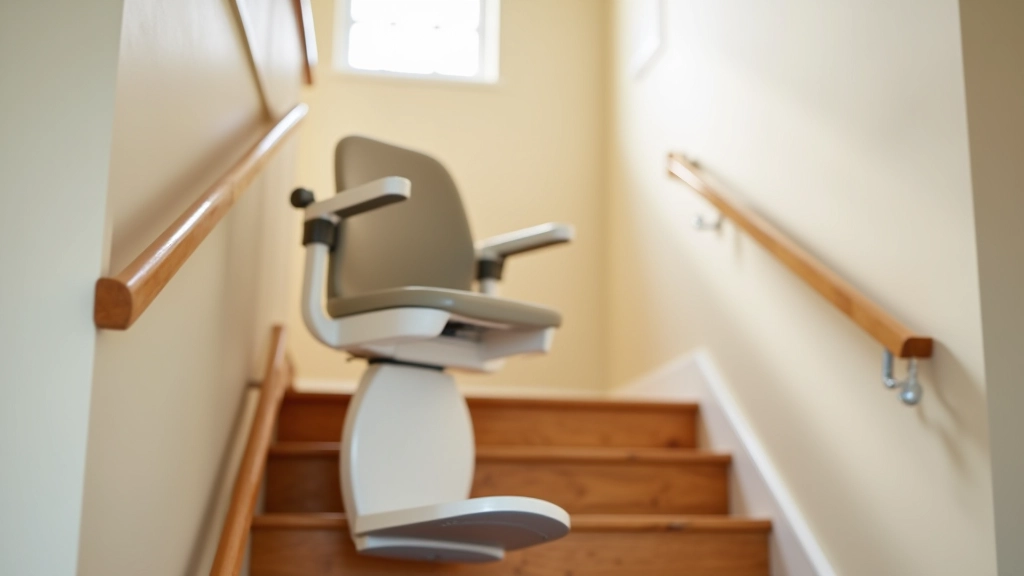
These are the most common and straightforward option. They work on staircases that go up in one direction without curves or landings. Installation is faster because the track is simpler. Most residential staircases in homes built in the last 50 years are straight — the track just follows the existing stair line.
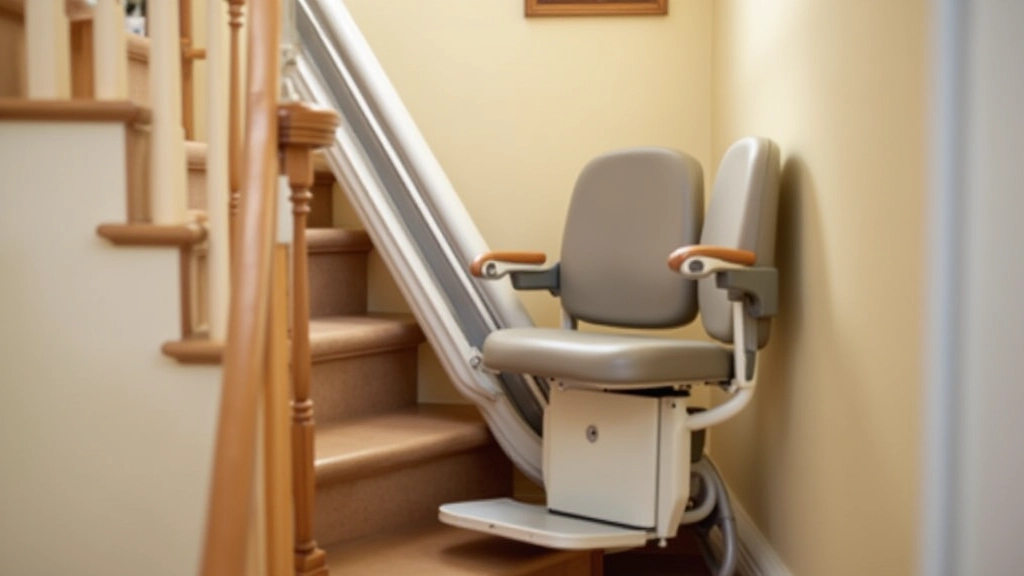
The typical straight stair lift chair fits along the wall or middle of your stairs. You'll still have room to walk beside it, though you might need to fold the seat up or down depending on how narrow your staircase is. Most people find they adapt pretty quickly to the routine.
Cost-wise, straight lifts are the most affordable option. You're looking at less complex engineering and shorter installation time — usually completed in a day.
Curved Stair Lifts
Your staircase has a curve, landing, or turns? That's where curved lifts come in. The track bends to follow your exact staircase geometry — whether that's an L-shape, U-shape, or something more complex. This requires custom engineering for your specific space.
Installation takes longer because the track needs to be built to match your stairs precisely. Measurements are critical here. The company will often send someone to assess your staircase before giving you a final quote, since no two curved staircases are identical.
Curved lifts cost significantly more than straight models — sometimes double or triple the price — because of the customization involved. But if straight isn't an option for your home, it's the solution that actually works.
What to Look For in a Stair Lift
Key features that affect safety, comfort, and daily use.
Seat Design & Comfort
Look for padded seats that swivel. The swivel feature lets you safely transfer on and off at the top and bottom — you don't have to turn your body while seated on a moving chair. Width matters too; if someone's larger, make sure the chair accommodates them comfortably.
Battery Backup System
Stair lifts plug into an outlet, but a good one has a battery backup. If the power goes out, you're not stuck on the stairs. The battery keeps it running long enough to get you safely up or down. This is genuinely important, especially during storms.
Safety Features
Seat belts, armrests, and safety sensors are standard on quality models. The sensors detect obstacles and stop the lift if something's in the way. Footrests are important too — they keep legs from dangling and improve stability during the ride.
Speed Control & Operation
Most lifts move at about 0.15 meters per second — slow and steady. You control the speed with a joystick or button. Some people prefer wireless remote controls so they can call the lift from upstairs or downstairs. Easy controls matter if arthritis or tremors are a factor.
Weight Capacity
Standard lifts handle 250-300 pounds. Heavier-duty models go up to 400+ pounds. You'll want to confirm the capacity matches your needs with some room to spare. This isn't something to estimate — ask the installer directly.
Maintenance & Service
Ask about warranty coverage and maintenance plans. Some companies offer annual servicing for a flat fee. It's worth it because a professional can catch wear before it becomes a safety issue. Don't skip this — preventive care keeps everything working reliably.
What Installation Actually Involves
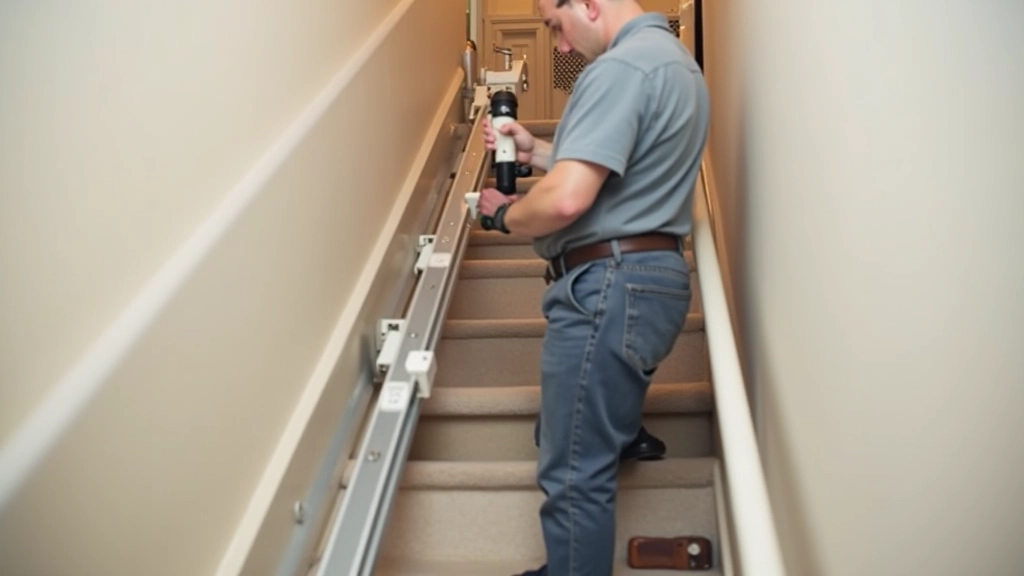
Installation day is straightforward but important. A professional installer arrives with the track, chair, and all necessary hardware. They'll measure your staircase carefully — even a slight slope change affects how the track sits.
The track gets mounted directly to your stairs using brackets and fasteners. This is permanent; you're drilling into your staircase. Most people install these intending to keep them, but it's something to know upfront. The chair attaches to the track with a carriage system that glides smoothly.
Electrical work comes next. The lift needs to plug into a nearby outlet — ideally one on the same floor as your staircase. If you don't have an outlet within reach, an electrician might need to run a new line, which adds cost. The whole process typically takes 4-8 hours for a straight stair lift.
After installation, the technician tests everything. They'll run it up and down several times, check all safety features, and walk you through operation. Don't hesitate to ask questions — this is your equipment, and you need to feel confident using it.
Important Considerations Before Deciding

Space & Aesthetics
A stair lift does take up space. The chair, when folded, is relatively compact, but the track is visible. Some people mind this more than others. If you're concerned about appearance, talk to the installer about color options — many lifts come in neutral tones that blend better with home décor.
Resale Value
Stair lifts can sometimes be removed, though there will be marks on your stairs where brackets were mounted. From a real estate perspective, they're neutral-to-positive in homes where aging residents are moving in, but opinions vary. This shouldn't be a major factor in your decision — accessibility is more important than potential future resale.
Alternatives to Consider
Before committing to a stair lift, think about other options. Could a bedroom be moved to the ground floor? Is a home elevator feasible? Would a ramp work instead? These aren't always practical, but they're worth exploring. A stair lift is often the most cost-effective solution, though.
Rental vs. Purchase
Some companies rent stair lifts short-term while you recover from surgery or injury. Renting costs less upfront but adds up over time. If you'll need it for months or longer, purchasing makes more financial sense. Ask about rental-to-purchase options.
Key Takeaways
- Straight lifts are simpler and less expensive — they work on traditional staircases and install in a day.
- Curved lifts are custom-built — necessary for L-shaped or U-shaped stairs, but cost more and take longer to install.
- Look for safety features — seat belts, swivel seats, safety sensors, and battery backup matter for daily safety.
- Installation is permanent — the track bolts to your stairs, so plan for this being a long-term fixture.
- Get professional assessment — every staircase is different, and a technician's measurements determine the right fit and cost.
- Consider your timeline and budget — rental works short-term, purchase makes sense for longer needs.
Ready to explore stair lifts further? Contact a local installer for a free assessment. They'll evaluate your specific staircase and provide detailed pricing based on your actual situation.
Get Started with AssessmentImportant Disclaimer
This article is informational and educational in nature. It's designed to help you understand stair lift options and basic installation concepts. It's not a substitute for professional consultation. Every home's situation is unique — staircase dimensions, electrical systems, safety requirements, and individual mobility needs vary significantly.
Before making any decisions about stair lifts, consult with qualified professionals including certified installers, your physician if you have mobility concerns, and potentially an occupational therapist who can assess your specific needs. Professional assessment ensures the solution chosen is safe and appropriate for your circumstances.